
Good Pine P.C.
Nonprofit Law Insights
Nonprofit compliance, governance, tax-exempt rules, and operational requirements for organizations in New York and New Jersey.
Nonprofit Law
Church Bylaws: The Most Overlooked Document in Religious Organization Governance

Nonprofit Law · Litigation
When a Church Breaks From Its Denomination: Building, Bank Accounts, and Name in New York and New Jersey
Nonprofit Law · Litigation
When Church Members Sue the Church: Derivative Claims, Removal of Officers, and Internal Dispute Resolution in New York and New Jersey
Nonprofit Law · Litigation
Who Controls the Church? Board Authority, Pastor Authority, and Governance Disputes in New York and New Jersey Nonprofits

Nonprofit Law
Board Governance Failures: Top Legal Risks for NJ and NY Nonprofits

Business Law & Contracts · Nonprofit Law · Formation
Corporate Governance in New York & New Jersey: How Bylaws and Operating Agreements Interact With State Law
Nonprofit Law
State Charitable Registration Requirements: N.Y. Attorney General Charities Bureau vs. N.J. Division of Consumer Affairs

Nonprofit Law
Conflicts of Interest Policies Under N.Y. N-PCL § 715-A and New Jersey Best Practices
Nonprofit Law
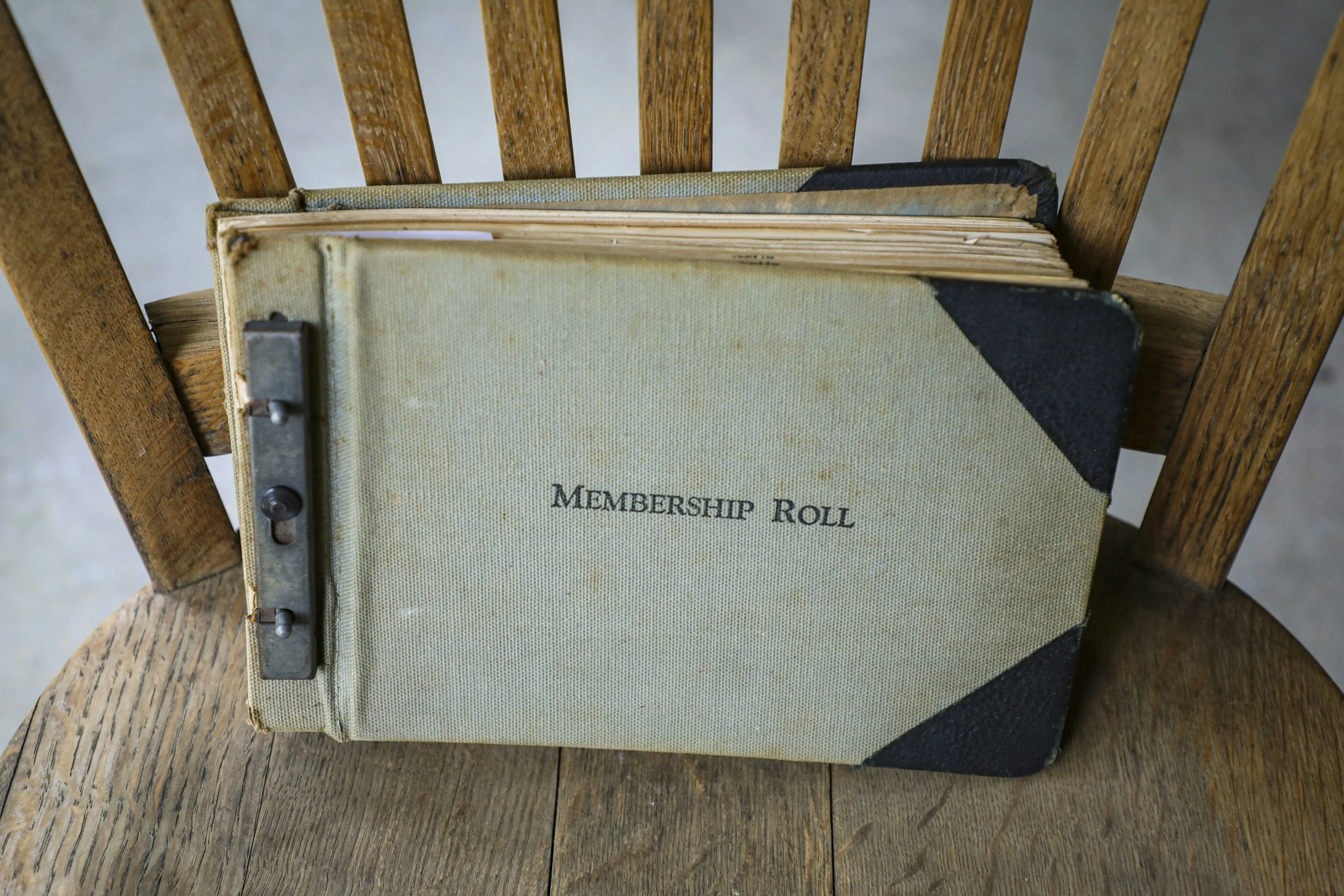
Membership vs. Board Governance: Choosing the Right Structure for Your Nonprofit

Nonprofit Law
Officer vs. Director Roles: Clarifying Titles and Authority in Nonprofit Structures

Formation · Nonprofit Law
Choosing the Right Type of Nonprofit Corporation: Public Charity, Private Foundation, or Membership Organization?
Questions about your situation?
Good Pine P.C. represents businesses and individuals in New York and New Jersey.
Consultations available in English and Korean.
Consultations available in English and Korean.