
Good Pine P.C.
Business Law & Contracts Insights
Contracts, transactions, compliance, and legal issues for growing companies in New York and New Jersey.

Business Law & Contracts · Litigation · Formation
Buy-Sell Agreements: How to Set the Rules for a Business Divorce Before It Happens
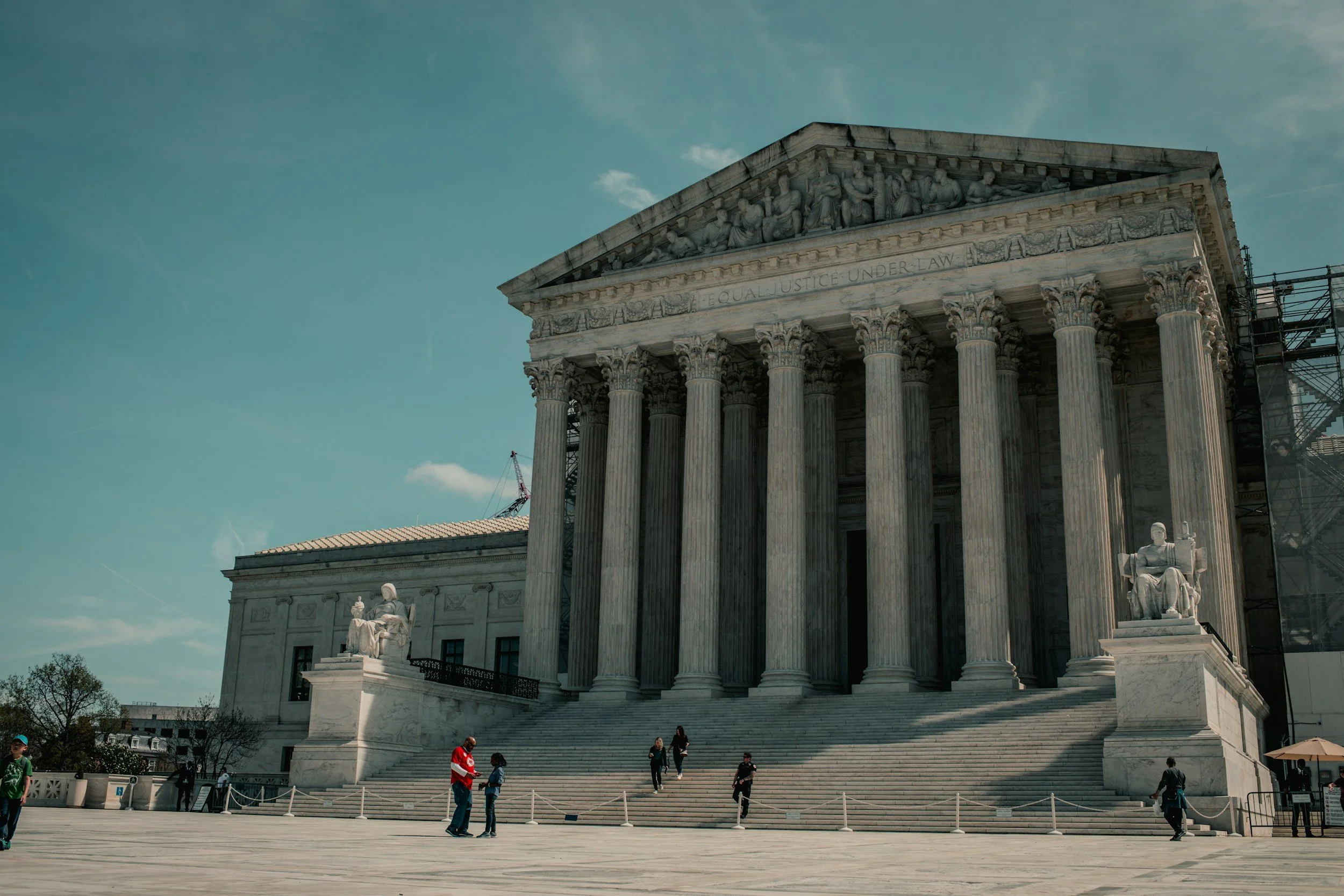
Litigation · Business Law & Contracts
Your Arbitration Clause Just Got More Powerful: What Jules v. Balazs Means for Business Contracts

Business Law & Contracts
Equipment Purchase and Sale Agreements in New York and New Jersey: What Buyers and Sellers Need to Know

Business Law & Contracts
What Is a Letter of Intent (LOI) and Is It Binding?

Litigation · Business Law & Contracts
What Korean Parent Companies Need to Know When Their U.S. Subsidiary Gets Sued

Litigation · Business Law & Contracts
Unpaid Purchase Orders: What Sellers and Buyers Need to Know Before a Dispute Escalates

Business Law & Contracts
LOIs, MOUs, and Contracts: What Business Owners Need to Know About Enforceability

Business Law & Contracts
Non-Disclosure Agreements for Business Owners | New York & New Jersey

Litigation · Business Law & Contracts · Employment
Non-Compete Agreements in New York and New Jersey: What Employers Need to Know in 2026

Litigation · Business Law & Contracts · Formation
Shareholder Agreements for Closely Held Corporations: Key Clauses to Prevent Litigation

Litigation · Business Law & Contracts · Formation
Minority Shareholder Oppression in NYC: When Majority Owners Cross the Line

Litigation · Business Law & Contracts
Breach of Fiduciary Duty in NYC: What Business Owners Need to Know

Business Law & Contracts · Nonprofit Law · Formation
Corporate Governance in New York & New Jersey: How Bylaws and Operating Agreements Interact With State Law

Business Law & Contracts
Resolving Shareholder and Partnership Disputes (Deadlocks, Buyouts, and Fiduciary-Duty Issues)

Business Law & Contracts
Contract Essentials for Small Businesses: Understanding Termination, Indemnity, Confidentiality, and Arbitration Clauses

Business Law & Contracts
Choosing the Right Entity for Your Business (LLC, Corporation, or Nonprofit?)

Business Law & Contracts
What Does It Mean to Have an Outside General Counsel?
Questions about your situation?
Good Pine P.C. represents businesses and individuals in New York and New Jersey.
Consultations available in English and Korean.
Consultations available in English and Korean.