Litigation Insights
Clear, practical insights on civil disputes, litigation strategy, pre-litigation tools, and courtroom advocacy for individuals and businesses.
The New Jersey Consumer Fraud Act (CFA) offers powerful remedies, including treble damages and potential attorney’s fees, but those remedies are not automatic. This article explains how CFA claims actually work in practice, what must be proven in litigation, and why contingency-fee representation is not always appropriate despite the statute’s strength.
Minority shareholder oppression occurs when majority owners in closely held New York businesses abuse control to exclude minority shareholders from the economic benefits of ownership. Common issues include freeze‑outs, withheld distributions, lack of transparency, and self‑dealing. New York courts offer remedies ranging from damages to buy‑outs and dissolution, making early legal guidance critical.
Commercial litigation in NYC affects small and mid‑sized businesses across industries. Common disputes include contract breaches, internal ownership conflicts, and commercial lease issues. Early case assessment, evidence preservation, and strategic decision‑making are essential to managing risk and controlling costs in New York’s demanding litigation environment.
Breach of fiduciary duty claims in New York City commonly arise in closely held businesses, LLCs, partnerships, and nonprofits. Directors, officers, managers, and controlling owners owe duties of care and loyalty, and violations can result in serious legal and financial consequences. Understanding common risk areas—such as self-dealing, conflicts of interest, and misuse of assets—can help business owners avoid disputes and protect their organizations.
A well-written demand letter can settle a dispute before a lawsuit even starts. Learn how NYC businesses can use pre-litigation strategy to protect their rights and reduce legal costs.
Disagreements between partners or shareholders can quickly disrupt even the strongest business. Learn how New York law handles internal business disputes — and how to resolve them strategically.
When a business deal breaks down, breach of contract litigation can decide whether your company survives the dispute. Here’s what NYC businesses should know before heading to court.
When business disputes loom, the party that files first often controls the narrative and venue.
Through a declaratory judgment action, a company can ask a court to resolve a legal question before being sued — clarifying rights, limiting exposure, or pre-empting an opponent’s tactics.
This article explains when declaratory actions make strategic sense and how they can reshape litigation outcomes.
When a competitor misuses trade secrets, a partner breaches a non-compete, or a transaction threatens to destroy value, waiting for a full trial can be fatal.
In such cases, U.S. courts allow Temporary Restraining Orders (TROs) and Preliminary Injunctions — emergency remedies that preserve the status quo until the dispute is resolved.
This article explains how these tools work, the strategic factors courts consider, and how business owners can use them effectively and ethically.
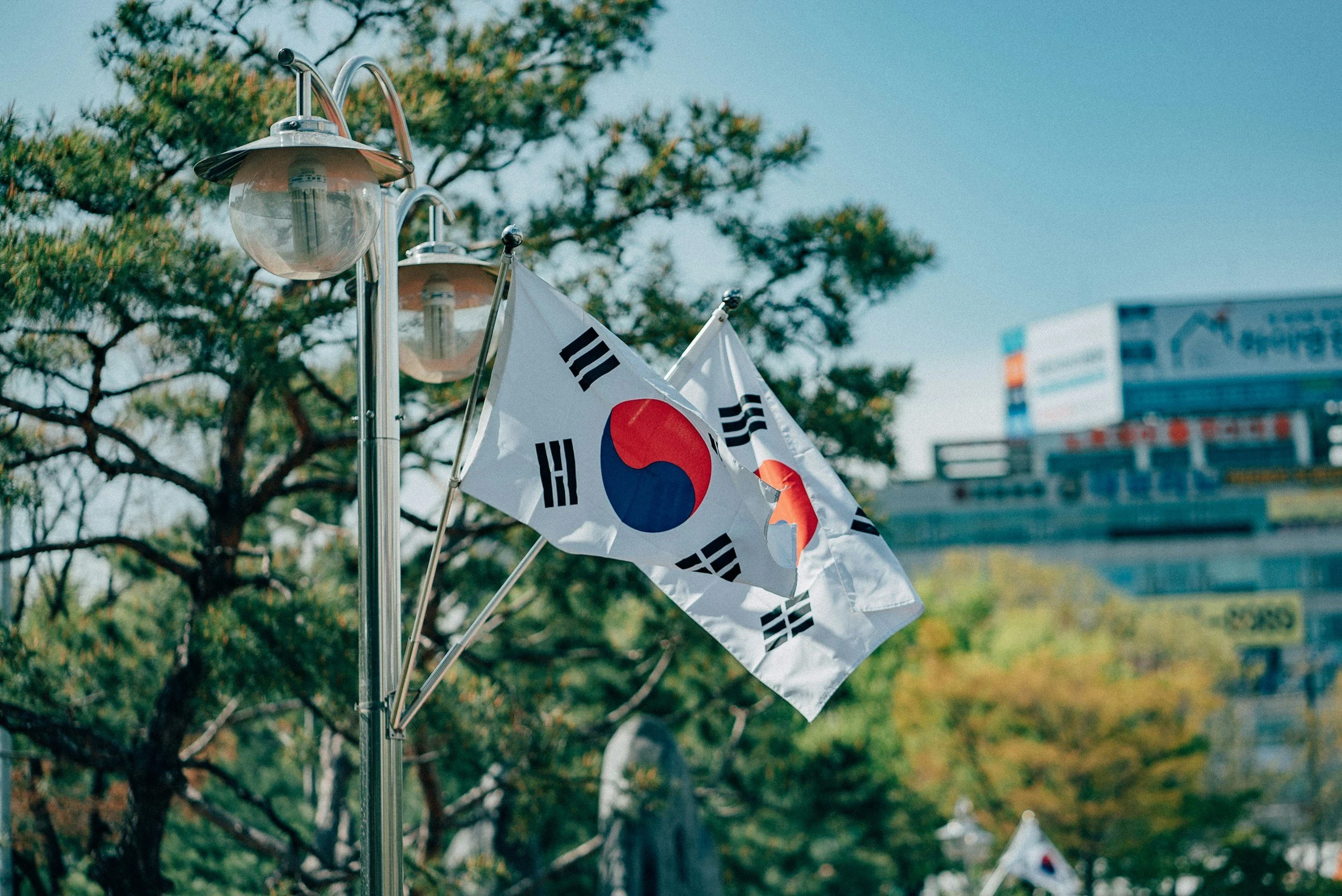
When a U.S. party needs evidence or witness testimony from South Korea, traditional discovery methods like subpoenas don’t apply.
Because South Korea restricts foreign lawyers from taking depositions locally, U.S. litigants must rely on Letters Rogatory and the Hague Evidence Convention.
This article explains how to properly obtain testimony, documents, or statements from Korean witnesses while complying with international law.
When a U.S. plaintiff needs to serve a defendant in South Korea, ordinary mail or private process service will not suffice.
Because both the U.S. and Korea are parties to the Hague Service Convention, service must follow its prescribed procedures through Korea’s designated Central Authority.
This article explains the steps, timelines, translation requirements, and strategic considerations to ensure that service abroad is valid and enforceable.
Receiving a subpoena can be disruptive—especially when your company isn’t part of the lawsuit.
This guide explains how to respond quickly and strategically: identifying the type of subpoena, preserving data, negotiating scope, protecting confidentiality, and avoiding costly mistakes.
Good Pine P.C. helps businesses manage subpoenas with efficiency, professionalism, and minimal operational impact.
Every business faces legal disputes sooner or later.
The challenge is not simply “winning” but knowing when to fight and when to settle.
This article explains how business owners can make clear-eyed decisions by weighing cost, risk, timing, reputation, and long-term objectives — and how strategic litigation management protects the enterprise beyond any single case.
Discovery is the longest and most expensive phase of U.S. litigation. For Korean companies, it can also be the most unfamiliar. This guide explains how the American discovery system works — from depositions and interrogatories to electronic data collection — and offers practical steps to manage risk, cost, and compliance before disputes arise.
When business disputes escalate, understanding how the U.S. litigation process unfolds can save companies time, money, and leverage. This article explains every stage of a commercial lawsuit—from the first demand letter to final judgment—and why a well-drafted demand letter can protect your rights long before you ever enter the courtroom.
Serving as a plaintiff in a class action means standing up not only for yourself, but for others harmed by the same conduct. This article explains the role of class representatives in antitrust and consumer-fraud cases, what responsibilities they carry, and how Good Pine guides clients through class certification and litigation under Rule 23 and related state rules.
Whistleblowers play a vital role in exposing fraud against the government. This article explains whistleblower rights and protections under the False Claims Act, including cases involving kickbacks and misuse of COVID-19 relief funds such as PPP and EIDL.
Good Pine provides confidential consultations and legal guidance to help whistleblowers navigate these complex cases safely and pursue the rewards and protections the law provides.
When your business is sued, every decision counts. This guide explains how lawsuits begin, how to respond strategically, and how to navigate service, pleadings, discovery, and settlement in New York and New Jersey.
Related Topics:
Business Law & Contracts • Employment • Formation • Nonprofit Law • Estate Planning