
All Insights
Practical legal guidance on litigation, business law, employment, formation, nonprofit law, and estate planning — for businesses and individuals in New York and New Jersey.

My Business Was Sued Under the New Jersey Consumer Fraud Act — What Do I Do?
The New Jersey Consumer Fraud Act requires proof of unlawful conduct, ascertainable loss, and causation — all three. Defendants have meaningful defenses at each element, including attacking the sufficiency of the unlawful conduct allegation, challenging the plaintiff's loss calculation, and contesting causation. The treble damages and fee-shifting provisions make early, aggressive defense critical: a case defeated on a motion to dismiss costs far less than one litigated to trial and lost.

My Business Was Just Sued by Employees — What Is an FLSA Collective Action or Class Action, and What Do I Do?
FLSA collective actions and state law wage and hour class actions expose small business owners to unpaid wages, automatic liquidated damages under 29 U.S.C. § 216(b), and attorney's fees — with a lookback period of up to six years under New York Labor Law. Owners can also face personal liability. The most consequential decisions occur in the first weeks of the case, before the certification motion is decided.
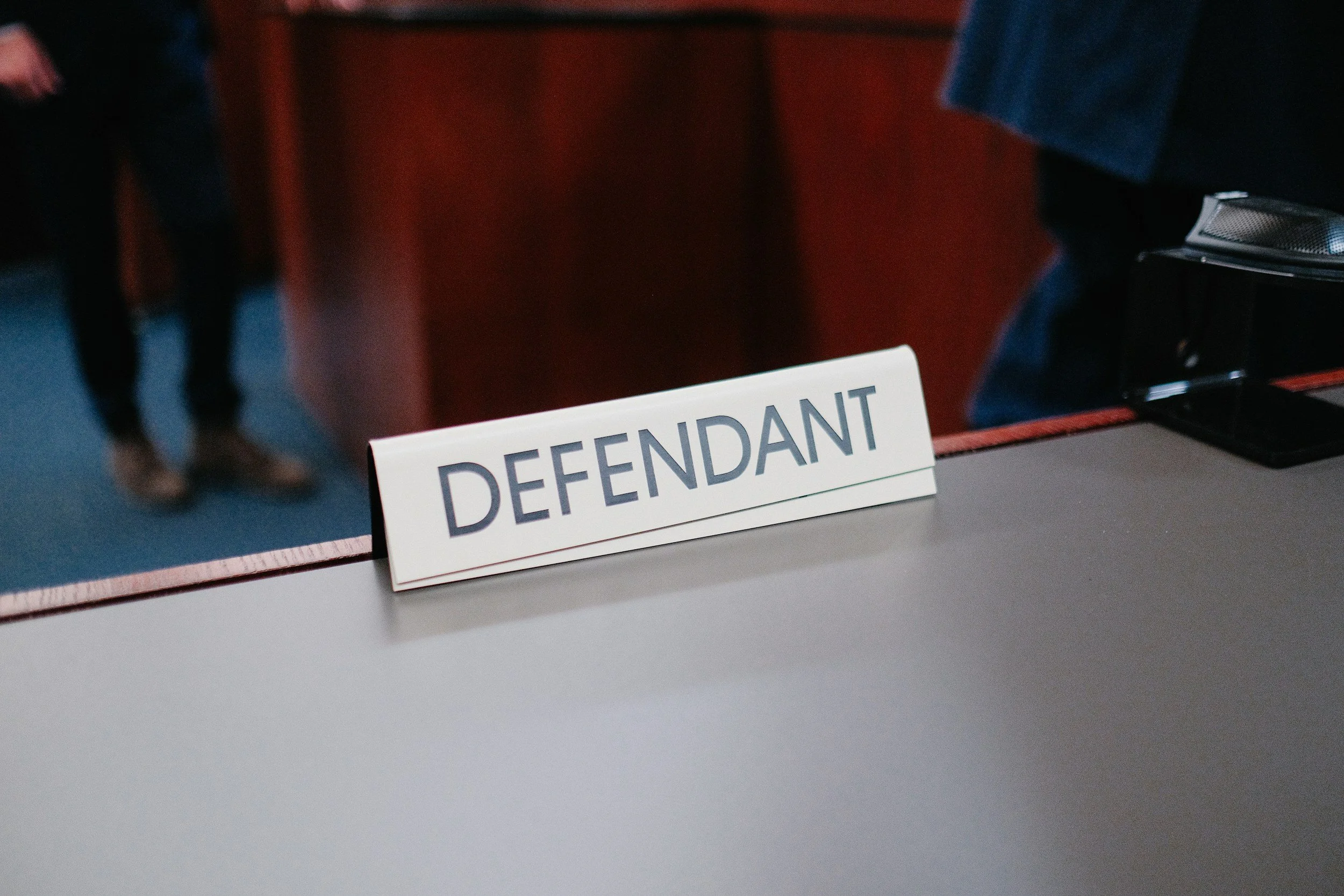
I Was Just Sued for Breach of Contract in New York — What Are My Defenses?
New York breach of contract defendants have more defenses than they typically realize: statute of limitations, prior material breach by the plaintiff, failure of a condition precedent, impossibility, waiver, and failure to mitigate are each independently capable of defeating or substantially reducing a claim. All must be identified and preserved early — missing the response deadline alone can result in a default judgment.

What Korean Parent Companies Need to Know When Their U.S. Subsidiary Gets Sued
A lawsuit against a U.S. subsidiary can create direct legal exposure for the Korean parent through alter ego liability, draw Korean-held documents into U.S. discovery, and require parent-level decisions under tight deadlines unfamiliar to Korean corporate practice. Parent companies should retain U.S. counsel and issue litigation holds — in Korea and in the U.S. — immediately upon service.
When to Authorize Litigation: A Framework for In-House Teams
Effective litigation authorization starts with objectives, not merits. In-house teams should work through four questions — probability of success, cost and timeline, collectability, and opportunity cost — before committing resources, and should structure the outside counsel relationship to keep that analysis honest throughout the life of the matter.

Unpaid Purchase Orders: What Sellers and Buyers Need to Know Before a Dispute Escalates
Under UCC Article 2, a purchase order can constitute a binding contract even without a formal signed agreement — and a buyer who accepts delivery generally cannot later dispute that a contract was formed. Sellers holding unpaid invoices should move to enforce promptly; delay weakens collection prospects and forecloses pre-litigation settlement opportunities.

Federal Law Gives Trafficking Survivors the Right to Sue Businesses That Profited From Their Exploitation
The TVPRA's beneficiary liability provision allows trafficking survivors to bring civil claims against businesses — including hotels, landlords, financial institutions, and technology platforms — that knowingly profited from trafficking ventures. Survivors have ten years to file, may proceed anonymously, and are not required to have participated in a criminal case.

Non-Compete Agreements in New York and New Jersey: What Employers Need to Know in 2026
Non-compete agreements in New York and New Jersey are enforceable today — but may not be for long. New York's Senate passed a bill in June 2025 that would ban most non-competes for employees earning under $500,000 per year, and the bill remains pending before the Assembly. New Jersey introduced an even broader bill that would void most existing agreements retroactively. This article explains the current law in both states, what the pending legislation would change, and what employers should do now.

SDNY’s Written Opinion on AI Privilege: Further Guidance from Judge Rakoff
On February 17, 2026, Judge Jed Rakoff of the Southern District of New York issued a written opinion explaining why documents generated using a consumer AI platform were not protected by attorney-client privilege or the work product doctrine. The decision highlights the critical distinction between consumer and enterprise AI tools, the importance of reasonable expectations of confidentiality, and the need for counsel-directed use when AI is involved in litigation. This article provides practical guidance for businesses in New York and New Jersey on managing AI-related privilege risks and updating internal AI governance policies accordingly.

AI and Attorney–Client Privilege: What Business Clients Need to Know After United States v. Heppner
In United States v. Heppner, the Southern District of New York held that documents created with a consumer AI platform and later shared with lawyers were not protected by attorney–client privilege or the work product doctrine. This article explains what the ruling means for businesses and provides practical steps to reduce waiver risk when using AI tools.

U.S. Depositions of Korean Witnesses: Practical Preparation Guide for Businesses
When Korean companies are involved in U.S. litigation, depositions can be unfamiliar, lengthy, and outcome-determinative. This guide explains how the process differs from Korean proceedings, how interpretation and document review affect testimony, and why careful preparation is essential. Good Pine P.C. outlines practical steps businesses can take to protect their interests and reduce risk.

Shareholder Agreements for Closely Held Corporations: Key Clauses to Prevent Litigation
Closely held corporations are especially vulnerable to internal shareholder disputes arising from unclear ownership rights, management authority, exit strategies, and valuation methods. This article explains the key provisions every shareholder agreement should include—such as governance rules, transfer restrictions, buy-sell mechanisms, deadlock resolution clauses, and dispute resolution terms—to help business owners reduce litigation risk and preserve long-term enterprise value.

Navigating Federal Discovery Obligations: What Small Businesses Often Get Wrong
Small businesses involved in federal litigation frequently misunderstand their discovery obligations, leading to unnecessary disputes, sanctions, and strategic setbacks. This article explains what small businesses often get wrong about federal discovery, including evidence preservation, electronically stored information (ESI), internal coordination, and proportionality. It provides practical guidance on how businesses can comply with federal discovery rules in good faith while protecting their legal and operational interests.

Avoiding Spoliation: How Not to Lose Your Case Through Evidence Destruction
Spoliation of evidence can lead to severe sanctions, adverse jury instructions, or dismissal of claims. This article explains what spoliation is, when the duty to preserve evidence arises, common mistakes businesses make, and practical steps to avoid losing a case through evidence destruction.

Litigation Hold Letters: What Businesses Must Do to Preserve Evidence
Litigation hold letters require businesses to preserve documents and electronic data once litigation is reasonably anticipated. This article explains when litigation holds are required, what evidence must be preserved, who must comply, and the risks of failing to meet preservation obligations.

Piercing the Corporate Veil in New York: When Can Owners Be Personally Liable?
This article explains how courts pierce the corporate veil under New York law, requiring proof of both complete domination and control over the entity and the use of that domination to commit a fraud, wrong, or inequitable act causing the plaintiff's injury. It covers the domination factors courts examine — commingling of funds, failure to observe formalities, undercapitalization, and absence of financial separation — the wrongdoing element and its connection requirement, application of the doctrine to LLCs, the discovery consequences of a veil-piercing claim, and the governance and financial practices business owners should maintain to protect their limited liability shield.

How to Enforce a Judgment in New York and New Jersey
Winning a lawsuit does not guarantee payment. New York and New Jersey provide powerful tools to enforce judgments, including bank restraints, wage garnishment, asset discovery, and property execution. This guide explains how judgment enforcement works in both states and what steps judgment creditors can take to turn a court victory into real recovery.

FINRA Arbitration: What Investors and Financial Professionals Need to Know
FINRA arbitration is a specialized dispute resolution process that governs most investor and broker-dealer disputes. This article explains how FINRA arbitration works, the rules that apply, how it differs from court litigation, and what investors and financial professionals should know before bringing or defending a claim.

Understanding a New Jersey Consumer Fraud Act (CFA) Claim: Strengths, Limits, and Common Misconceptions
The New Jersey Consumer Fraud Act (CFA) offers powerful remedies, including treble damages and potential attorney’s fees, but those remedies are not automatic. This article explains how CFA claims actually work in practice, what must be proven in litigation, and why contingency-fee representation is not always appropriate despite the statute’s strength.

Minority Shareholder Oppression in NYC: When Majority Owners Cross the Line
Minority shareholder oppression occurs when majority owners in closely held New York businesses abuse control to exclude minority shareholders from the economic benefits of ownership. Common issues include freeze‑outs, withheld distributions, lack of transparency, and self‑dealing. New York courts offer remedies ranging from damages to buy‑outs and dissolution, making early legal guidance critical.