

Wrongful Termination Claims in New York: What Employers Need to Know
This article explains the legal framework for wrongful termination claims in New York from the employer's perspective. It covers the at-will doctrine and its contractual limits, discrimination claims under Title VII, the ADEA, the ADA, the post-2019 NYSHRL, and the NYCHRL, retaliation claims and the whistleblower protections of NYLL Sections 740 and 741, damages including compensatory and punitive awards under the NYSHRL and NYCHRL, individual supervisor liability, best practices for documenting termination decisions, and the OWBPA requirements for enforceable releases of ADEA claims under 29 U.S.C. § 626(f).

My Employee Filed an Unpaid Wage Claim in New York — What Do I Do?
This article explains what New York employers should do when an employee files an unpaid wage claim. It covers the legal framework under the New York Labor Law and FLSA, the forums in which wage claims are filed including the NYSDOL and federal court, the six-year statute of limitations under the NYLL, liquidated damages and attorneys' fees exposure, personal liability for LLC members under NYLL Section 198-a, immediate steps including document preservation and litigation hold, common violations including overtime misclassification and independent contractor misclassification, and settlement considerations including the FLSA court approval requirement under 29 U.S.C. § 216(b).

My Business Was Just Sued by Employees — What Is an FLSA Collective Action or Class Action, and What Do I Do?
FLSA collective actions and state law wage and hour class actions expose small business owners to unpaid wages, automatic liquidated damages under 29 U.S.C. § 216(b), and attorney's fees — with a lookback period of up to six years under New York Labor Law. Owners can also face personal liability. The most consequential decisions occur in the first weeks of the case, before the certification motion is decided.

New Jersey Supreme Court Rules Undocumented Workers Are Entitled to Wage Protections
Lopez v. Marmic LLC (N.J. Supreme Court, March 19, 2026) holds that New Jersey's wage and hour statutes require employers to pay undocumented workers for work already performed, notwithstanding IRCA's prohibition on employing unauthorized aliens. The court narrowly read Hoffman Plastic as limited to backpay for work not performed, and rejected both the barter-for-wages defense and the documentation-irregularity credibility argument. For NJ employers: immigration status is not a wage defense, non-cash substitutes for wages don't satisfy state law, and the NJ DOL's enforcement posture on these claims now has unanimous Supreme Court backing.

Non-Compete Agreements in New York and New Jersey: What Employers Need to Know in 2026
Non-compete agreements in New York and New Jersey are enforceable today — but may not be for long. New York's Senate passed a bill in June 2025 that would ban most non-competes for employees earning under $500,000 per year, and the bill remains pending before the Assembly. New Jersey introduced an even broader bill that would void most existing agreements retroactively. This article explains the current law in both states, what the pending legislation would change, and what employers should do now.
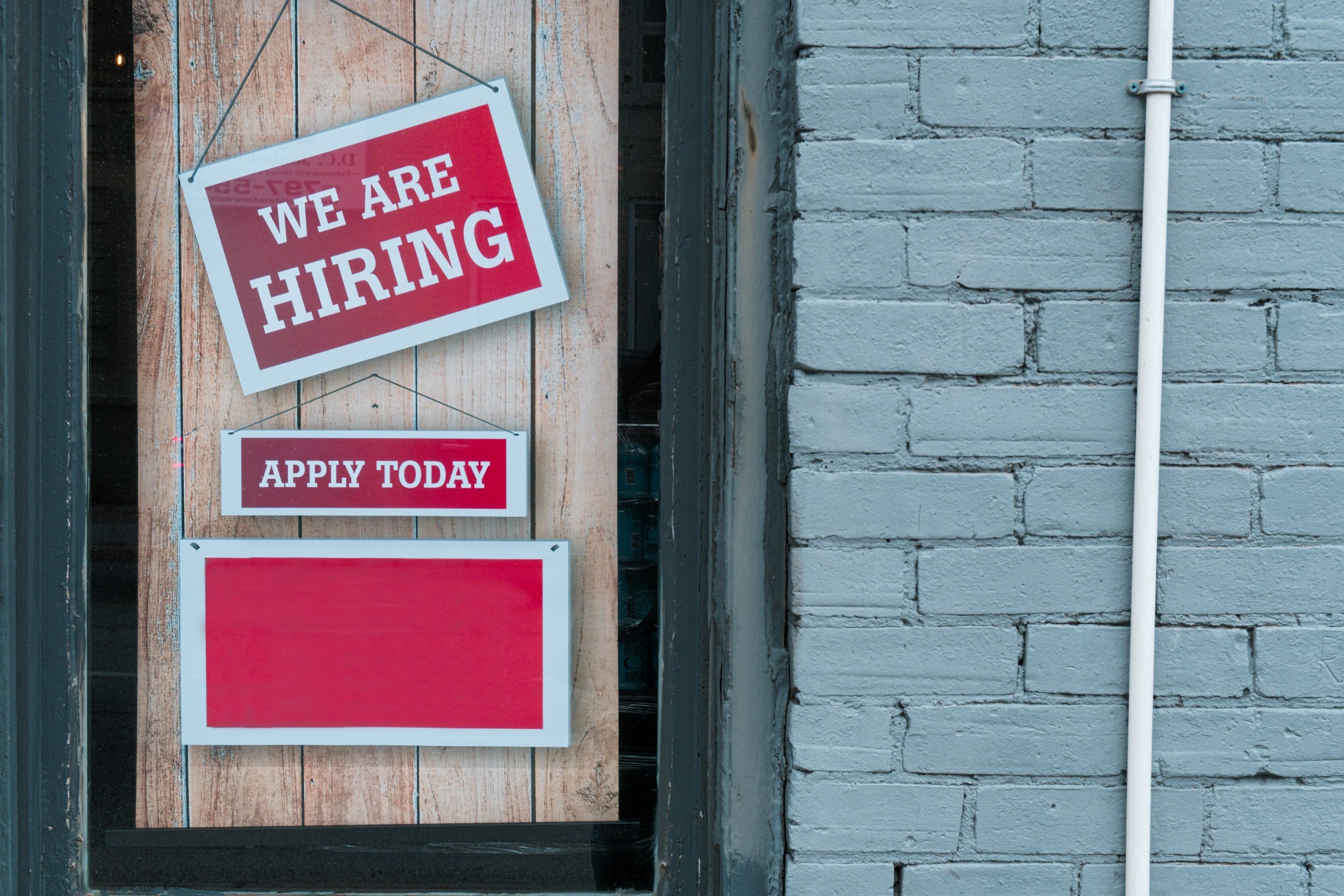
Understanding Employment Law for Employers in New York and New Jersey
Employers in NY and NJ face complex employment laws. This overview explains key rules on wages, discrimination, and termination—and how Good Pine helps businesses stay compliant while standing for fairness in the workplace.